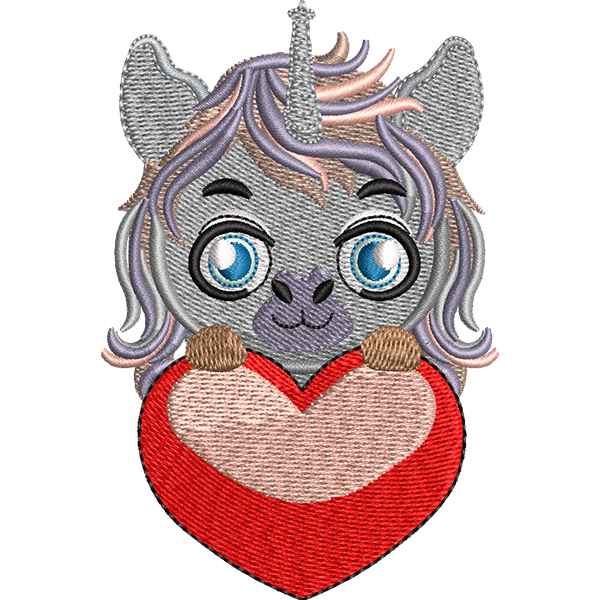
Embroidery digitizing is an intricate art form that requires precision and attention to detail. However, even the most experienced embroiderers encounter issues like skipping stitches from time to time. Understanding the causes behind these problems and knowing how to resolve them is crucial for achieving high-quality results in your embroidery projects.
Cause 1: Tension Issues
One of the primary causes of skipping stitches is tension problems. Improper tension can lead to loose or tight stitches, resulting in irregularities in your embroidery design. Signs of tension issues include loops on the back of your fabric or thread breakage during stitching.
Solution 1: Adjusting Tension
To address tension problems, start by adjusting the tension settings on your embroidery machine. Consult your machine’s manual for instructions on how to make these adjustments. It’s essential to test the tension settings on a scrap piece of fabric before starting your project to ensure optimal stitch quality.
Cause 2: Needle Problems
Faulty or worn-out needles can also contribute to skipping stitches in embroidery. Bent or dull needles may not penetrate the fabric properly, leading to incomplete stitches or thread breaks during embroidery.
Solution 2: Changing Needles
Regularly inspect your needles for signs of damage or wear and replace them as needed. Using the correct needle type and size for your fabric and thread can also help prevent needle-related issues. Remember to change your needle after every few hours of stitching to maintain optimal performance.
Cause 3: Hoop Issues
Improper hooping of fabric can cause tension problems and lead to skipping stitches. If the fabric is too loose or too tight in the hoop, it may not feed smoothly through the embroidery machine, resulting in irregular stitching.
Solution 3: Proper Hooping Techniques
Mastering proper hooping techniques is essential for achieving consistent stitch quality in your embroidery projects. Make sure the fabric is taut but not stretched too tightly in the hoop. Additionally, use stabilizers to support the fabric and prevent distortion during stitching.
Cause 4: Digitizing Errors
The way a design is digitized can significantly impact stitch quality. Poorly digitized designs may contain errors such as overlapping stitches or incorrect stitch densities, leading to skipped stitches or thread breaks during embroidery.
Solution 4: Quality Digitizing Services
Consider outsourcing your digitizing needs to experienced professionals who can ensure the highest level of accuracy and quality in your embroidery designs. Look for digitizing services that have a proven track record of delivering exceptional results and offer customization options to suit your specific requirements.
Cause 5: Fabric Choice
The type and quality of fabric you use can also affect stitch performance in embroidery. Certain fabrics, such as lightweight or stretchy materials, may be more prone to skipping stitches than others.
Solution 5: Testing and Adjusting
Before starting a new embroidery project, it’s essential to test your design on a sample piece of fabric to assess how it performs. Make any necessary adjustments to your embroidery settings, such as stitch density or needle type, based on the fabric you’re using. Taking the time to fine-tune these settings can help prevent issues like skipping stitches and ensure a successful embroidery outcome.
Conclusion
Skipping stitches can be frustrating, but by understanding the underlying causes and implementing the appropriate solutions, you can overcome this common embroidery issue. Whether it’s adjusting tension settings, changing needles, or outsourcing digitizing tasks, taking proactive steps to address these issues will ultimately lead to better embroidery results and more satisfying projects.
FAQs
- How can I prevent skipping stitches in my embroidery projects?
- Regularly check and adjust tension settings, use the correct needle type and size, and master proper hooping techniques to minimize the risk of skipping stitches.
- Is it necessary to adjust tension for every embroidery design?
- Yes, because different designs and fabrics may require slight adjustments to achieve optimal stitch quality. Testing tension settings on a scrap piece of fabric before starting your project is recommended.
- Can using the wrong needle size damage my embroidery machine?
- Using the wrong needle size can cause issues such as skipped stitches, thread breaks, or damage to your fabric. It’s essential to use the correct needle size and type recommended for your fabric and thread.
- What factors should I consider when choosing a digitizing service?
- When selecting a digitizing service, consider factors such as experience, reputation, turnaround time, customization options, and customer reviews to ensure you receive high-quality digitized designs.
- Are there specific fabrics that are more challenging for embroidery digitizing?
- Fabrics with delicate or stretchy properties, such as silk or spandex, may present challenges in embroidery digitizing service due to their unique characteristics. Testing your design on a sample piece of fabric beforehand can help identify any potential issues.