Introduction:
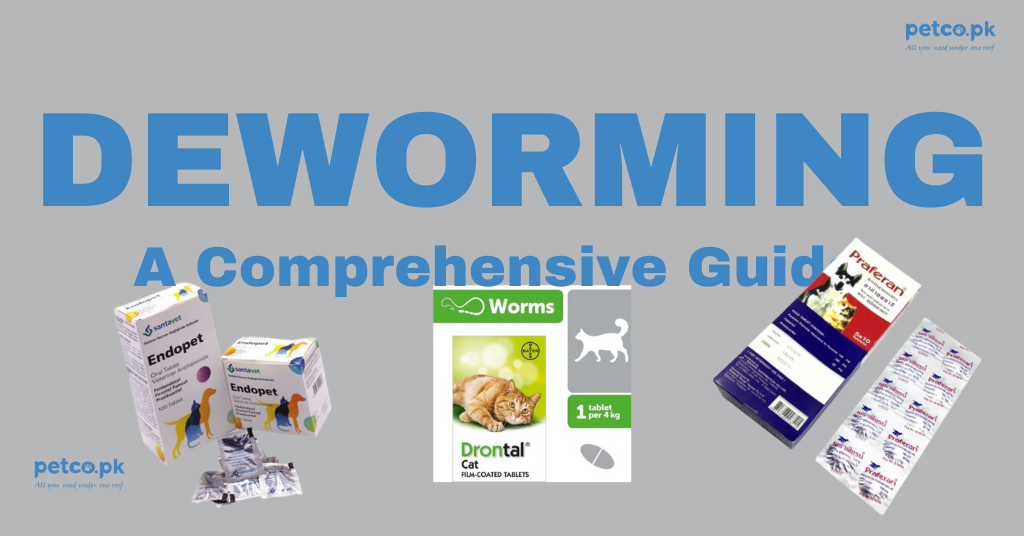
Deworming is a crucial aspect of pet care that often gets overlooked. Parasites such as worms can cause significant harm to our furry companions if left untreated. With a plethora of deworming products available in the market, choosing the right one for your pet can be overwhelming. In this guide, we’ll delve into the types of worms that commonly affect pets, the importance of deworming, factors to consider when selecting a deworming product, and tips for administering it safely.
Understanding Worms:
Before diving into deworming products, it’s essential to understand the types of worms that commonly affect pets. The most prevalent worms in dogs and cats include roundworms, hookworms, whipworms, tapeworms, and heartworms. Each type of worm poses unique health risks to pets, ranging from gastrointestinal discomfort to life-threatening conditions such as heartworm disease.
The Importance of Deworming:
Regular deworming is crucial for maintaining your pet’s health and well-being. Worm infestations can lead to a myriad of health problems, including diarrhea, vomiting, weight loss, anemia, and even death in severe cases. Additionally, some worms, such as roundworms and hookworms, can be transmitted to humans, posing a risk to public health. By deworming your pet regularly, you not only protect their health but also safeguard your family from potential zoonotic infections.
Factors to Consider When Choosing a Deworming Product:
When selecting a deworming product for your pet, several factors should be taken into consideration:
Type of Worm: Different deworming products target specific types of worms. Identify the type of worm affecting your pet based on their symptoms and consult with your veterinarian to determine the most appropriate treatment.
Pet’s Age and Weight: Deworming products are often formulated based on the age and weight of the pet. Ensure that you choose a product suitable for your pet’s age and weight to avoid overdosing or underdosing.
Safety Profile: Prioritize deworming products that have been tested for safety and efficacy. Look for products that are approved by reputable regulatory agencies such as the Food and Drug Administration (FDA) or the European Medicines Agency (EMA).
Administration Method: Deworming products come in various forms, including tablets, liquids, and topical treatments. Consider your pet’s preferences and ease of administration when selecting a product. Some pets may be more receptive to tablets, while others may prefer liquid formulations.
Frequency of Administration: Different deworming products require varying dosing schedules. Some products may need to be administered monthly, while others are given less frequently. Choose a product that aligns with your pet’s lifestyle and your ability to adhere to the recommended dosing schedule.
Tips for Administering Deworming Products Safely:
Administering deworming products to your pet can be challenging, especially if they are resistant to taking medication. Here are some tips to ensure safe and effective administration:
Follow the Instructions: Read the product label carefully and follow the manufacturer’s instructions for dosage and administration. Avoid overdosing or underdosing your pet, as this can lead to adverse effects or treatment failure.
Hide the Medication: Conceal the deworming medication in your pet’s favorite treat or food to make it more palatable. Be sure to monitor your pet to ensure they consume the entire dose.
Use a Pill Popper: Pill poppers are handy devices that help you administer tablets to your pet without risking injury to your fingers. Practice using a pill popper beforehand to familiarize yourself with the technique.
Seek Professional Guidance: If you’re unsure about how to administer deworming medication or if your pet is particularly difficult to medicate, seek assistance from your veterinarian. They can provide guidance and demonstrate proper administration techniques.
Conclusion:
Choosing the right deworming product for your pet is essential for maintaining their health and preventing the spread of parasitic infections. By understanding the types of worms that affect pets, the importance of deworming, and the factors to consider when selecting a deworming product, you can make informed decisions to protect your pet’s well-being. Remember to administer deworming medication safely and consult with your veterinarian if you have any concerns or questions. With regular deworming and proper veterinary care, you can help your pet live a happy, healthy life free from the burden of parasitic infections.