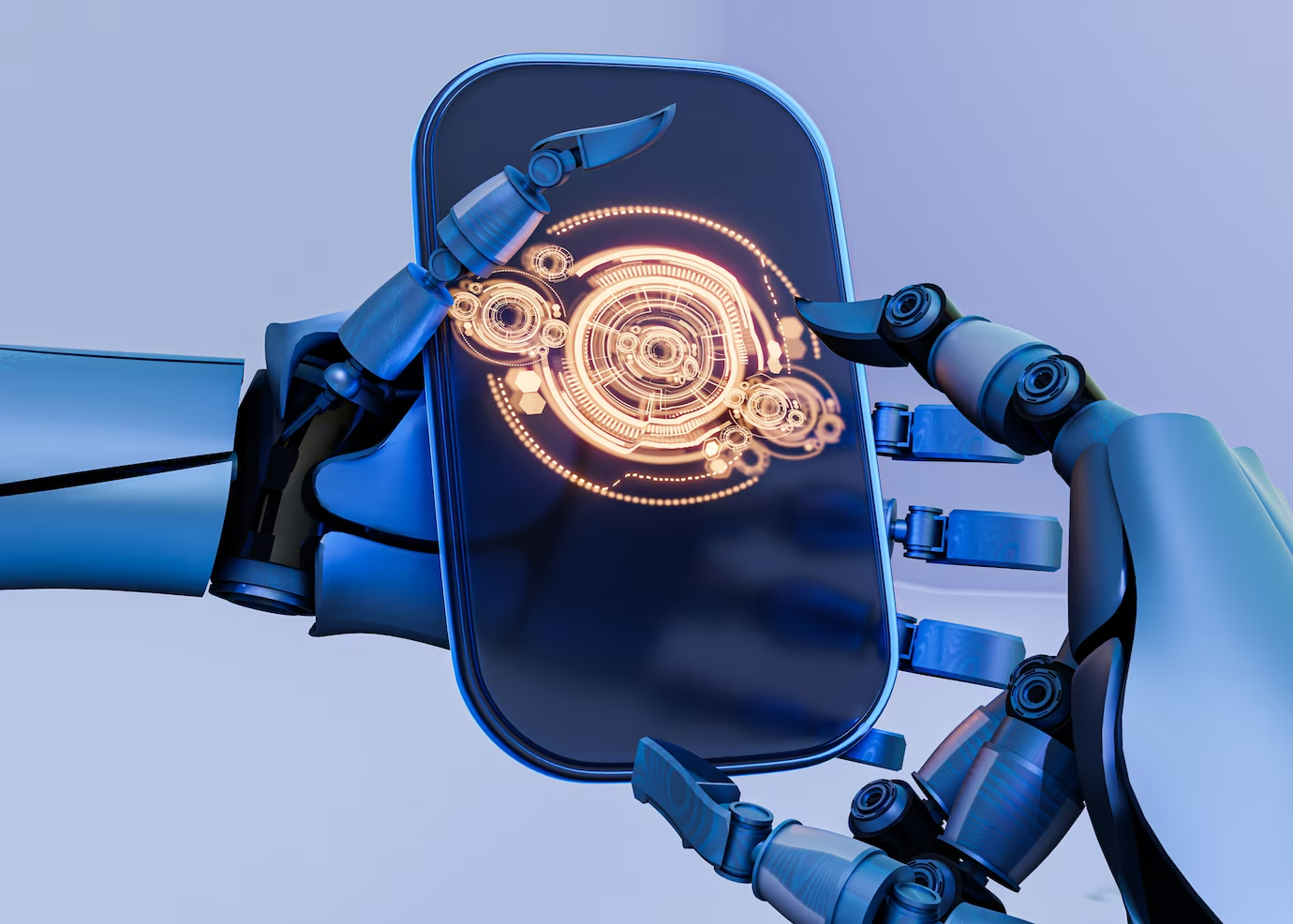
In today’s fast-paced digital landscape, mobile app development is continually evolving to meet the growing demands of users. One of the most significant drivers of this evolution is the integration of artificial intelligence (AI) and machine learning (ML) technologies. These transformative technologies have revolutionized how mobile apps are designed, developed, and deployed, ushering in a new era of innovation and efficiency. In this article, we will explore the profound impact of AI and machine learning on mobile app development, highlighting key trends, challenges, and opportunities in this dynamic field.
Understanding AI and Machine Learning in Mobile App Development
AI refers to the simulation of human intelligence processes by machines, enabling them to perform tasks that typically require human intelligence, such as learning, reasoning, and problem-solving. Machine learning, a subset of AI, focuses on developing algorithms that allow computers to learn from and make predictions or decisions based on data, without being explicitly programmed.
In the context of mobile app development, AI and machine learning technologies empower developers to create smarter, more intuitive, and personalized applications. These technologies can analyze vast amounts of user data, extract meaningful insights, and adapt app functionalities in real-time to meet users’ evolving needs and preferences.
Enhancing User Experience with AI-Powered Features
One of the primary areas where AI and machine learning have made a significant impact is in enhancing user experience (UX) in mobile apps. Developers can leverage AI algorithms to offer personalized recommendations, predictive text input, voice recognition, and natural language processing capabilities, making apps more intuitive and user-friendly.
For example, AI-powered chatbots and virtual assistants enable users to interact with apps using natural language commands, providing instant assistance and improving overall engagement. Additionally, recommendation systems based on machine learning algorithms analyze user behavior and preferences to suggest relevant content, products, or services, increasing user satisfaction and retention.
Streamlining Development Processes and Improving Efficiency
AI and machine learning technologies have also streamlined the mobile app development process, enabling developers to automate repetitive tasks, optimize resource allocation, and accelerate time-to-market. For instance, developers can use ML algorithms to automatically generate code snippets, identify bugs, and perform regression testing, reducing the need for manual intervention and minimizing development cycles.
Furthermore, AI-powered tools and frameworks, such as TensorFlow and PyTorch, provide developers with robust libraries and pre-trained models for implementing advanced features like image recognition, natural language understanding, and sentiment analysis in their apps. This not only simplifies development but also allows developers to focus on innovation and creativity rather than reinventing the wheel.
Addressing Privacy and Security Concerns
While AI and machine learning offer numerous benefits for mobile app development, they also raise important considerations regarding privacy and security. As apps collect and process sensitive user data, ensuring data privacy and protection is paramount. Developers must implement robust security measures, such as encryption, anonymization, and access controls, to safeguard user information from unauthorized access or misuse.
Moreover, ethical considerations surrounding AI and ML algorithms, such as algorithmic bias and transparency, require careful attention. Developers must strive to build fair and transparent algorithms that mitigate bias and ensure equitable outcomes for all users. By incorporating ethical principles into the design and development process, developers can build trust and credibility with their user base.
Future Trends and Opportunities
Looking ahead, the integration of AI and machine learning in mobile app development is expected to continue driving innovation and shaping the future of digital experiences. Emerging technologies such as edge computing, federated learning, and generative AI hold promise for unlocking new capabilities and delivering more immersive and personalized app experiences.
Furthermore, the proliferation of Internet of Things (IoT) devices and the advent of 5G connectivity will further fuel the adoption of AI-powered mobile apps, enabling seamless connectivity and real-time data processing across devices and networks. Developers who embrace these trends and leverage AI and machine learning technologies will be well-positioned to create the next generation of intelligent, adaptive, and user-centric mobile apps.
Conclusion
In conclusion, AI and machine learning are revolutionizing mobile app development, offering unprecedented opportunities to create smarter, more intuitive, and personalized experiences for users. By harnessing the power of AI algorithms and machine learning models, developers can enhance user experience, streamline development processes, address privacy and security concerns, and unlock new opportunities for innovation. As these technologies continue to evolve, the future of mobile app development holds immense promise for delivering transformative digital experiences that enrich and empower users worldwide.