In the realm of printing, the advent of digital technology has sparked a significant revolution, transforming traditional printing processes in profound ways. This shift has not only impacted the efficiency and cost-effectiveness of printing but has also revolutionized the entire landscape of the printing industry. Let’s delve into the multifaceted ways in which digital printing has revolutionized traditional printing processes.
1. Speed and Efficiency
One of the most notable advantages of digital printing services in Dubai is its speed and efficiency. Unlike traditional printing methods such as offset printing, which require time-consuming setup processes like plate making, digital printing allows for instant printing with minimal setup time. This rapid turnaround time is particularly beneficial for businesses requiring quick production of marketing materials, promotional items, and other printed collateral. The ability to produce high-quality prints at a fast pace has made digital printing a preferred choice for many businesses.
2. Cost-Effectiveness
Digital printing offers significant cost advantages over traditional printing methods. Since digital printing does not involve the use of printing plates or extensive setup processes, it reduces the overall production costs. Additionally, digital printing allows for on-demand printing, eliminating the need for large print runs and excess inventory. Businesses can print the exact quantity of materials they need, reducing waste and saving on storage costs. This cost-effectiveness makes digital printing a viable option for small businesses, startups, and organizations with limited budgets.
3. Customization and Personalization
One of the key strengths of digital printing is its ability to offer customization and personalization options. Digital printing technology enables variable data printing, allowing each printed piece to be customized with unique text, images, or graphics. This level of personalization is invaluable for targeted marketing campaigns, direct mailers, and personalized promotional materials. Businesses can create highly targeted and relevant content that resonates with their target audience, leading to improved engagement and response rates.
4. High-Quality Output
Digital printing delivers exceptional print quality that rivals traditional printing methods. With advancements in digital printing technology, such as high-resolution printing and color accuracy, digital prints can achieve sharp details, vibrant colors, and consistent results across each printed piece. This level of quality is essential for maintaining brand integrity and creating visually appealing marketing materials. Whether printing brochures, flyers, posters, or business cards, digital printing ensures professional-looking results that leave a lasting impression.
5. Versatility and Flexibility
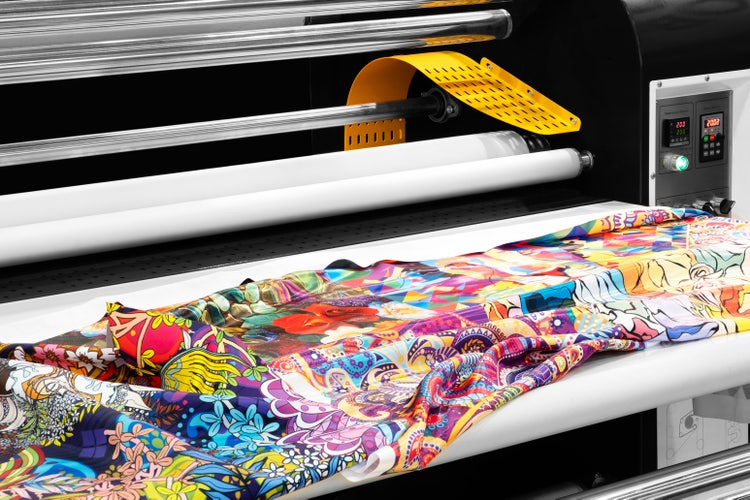
Digital printing offers unparalleled versatility and flexibility in printing options. Unlike traditional printing methods that may have limitations in terms of materials and sizes, digital printing can accommodate a wide range of substrates, including paper, cardstock, vinyl, fabric, and more. This versatility allows businesses to explore creative printing ideas and experiment with different materials to achieve unique effects. Digital printing also supports variable printing sizes, from small formats like business cards to large formats like banners and signage, providing businesses with the flexibility to meet diverse printing needs.
6. Environmentally Friendly Practices
In addition to its operational benefits, digital printing aligns with environmentally friendly practices. Unlike traditional printing methods that often involve chemical processes and generate excess waste, digital printing produces minimal waste and consumes fewer resources. The on-demand nature of digital printing reduces overproduction and eliminates the need for large print runs that can result in unused or outdated materials. Furthermore, digital printing technologies continue to evolve with a focus on eco-friendly inks, energy-efficient processes, and recyclable materials, contributing to sustainable printing practices.
7. Integration with Digital Workflows
Digital printing seamlessly integrates with modern digital workflows, offering enhanced connectivity and automation. Through digital file submissions, businesses can easily send print-ready files to digital printing facilities, streamlining the printing process and reducing turnaround times. Automated workflows enable efficient job scheduling, proofing, and production, optimizing the overall printing workflow. This integration with digital systems and software tools enhances productivity, reduces errors, and ensures smooth collaboration between clients, designers, and printers.
8. On-Demand and Just-in-Time Printing
The concept of on-demand printing and just-in-time production is central to digital printing. Businesses can print materials as needed, avoiding the costs and risks associated with maintaining large inventories. This on-demand approach allows for quick updates, revisions, and customization without the constraints of traditional print schedules. Whether responding to changing market trends, updating promotional offers, or fulfilling last-minute printing requests, digital printing offers the agility and responsiveness that modern businesses require.
9. Accessibility to Small Businesses
Digital printing has democratized access to professional printing services, particularly benefiting small businesses and startups. Unlike traditional printing methods that often require minimum order quantities and upfront setup costs, digital printing allows businesses to print small quantities economically. This accessibility enables small businesses to create high-quality marketing materials, establish their brand presence, and compete effectively in the market without incurring prohibitive printing expenses. Digital printing levels the playing field, empowering businesses of all sizes to leverage print marketing for growth and success.
10. Innovation and Future Trends
The evolution of digital printing continues to drive innovation and inspire future trends in the printing industry. Advancements in digital printing technologies, such as 3D printing, UV printing, and augmented reality printing, open new possibilities for creative expression and functionality. These innovations expand the scope of what can be achieved through print, offering interactive experiences, tactile elements, and customized solutions that enhance brand communication and engagement. As digital printing continues to evolve, its impact on traditional printing processes will shape the future of the printing industry, driving further advancements and opportunities for businesses worldwide.
Conclusion
The digital printing revolution has redefined the landscape of traditional printing processes, offering unparalleled speed, cost-effectiveness, customization, and quality. From small businesses to large enterprises, digital printing has become an indispensable tool for creating impactful marketing materials, personalized communications, and innovative print solutions. As businesses embrace the advantages of digital printing, they gain a competitive edge in today’s dynamic market, where agility, efficiency, and creativity are key drivers of success.