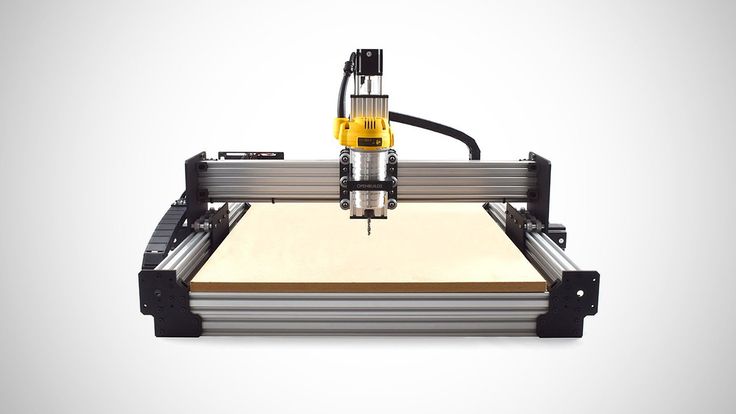
Woodworking enthusiasts and professionals alike understand the transformative power of CNC routers. These machines blend precision, efficiency, and creativity to elevate woodworking projects to new heights. However, with a plethora of options available, selecting the best CNC router for woodworking can be daunting. Let’s delve into the key considerations that will guide you towards making an informed choice.
Dust Collection System
Woodworking inevitably generates dust, and a robust dust collection system is indispensable for maintaining a clean and safe workspace. Look for CNC routers equipped with efficient dust collection mechanisms that ensure optimal dust extraction during operation, preserving both the machine’s longevity and your health.
Material Compatibility
Versatility is key when it comes to CNC routers for woodworking. Evaluate the material compatibility of potential routers to ensure they can seamlessly handle a diverse range of woods, from softwoods like pine and cedar to hardwoods such as oak and maple. A router that can effortlessly adapt to different wood types expands your creative horizons.
Tooling Options and Compatibility
The versatility of a CNC router is further enhanced by its tooling options and compatibility. Consider routers that support a variety of cutting tools, including end mills, router bits, and specialty carving tools. Compatibility with different tooling options empowers you to execute intricate designs and achieve varying depths and finishes with precision.
Stability and Rigidity
Stability and rigidity are non-negotiables when it comes to CNC routers for woodworking. Opt for routers constructed from durable materials such as aluminum or steel, coupled with robust gantry systems and reinforced frames. A stable and rigid router minimizes vibration and deflection, resulting in consistently precise cuts and carvings.
Support and Maintenance
Investing in a CNC router is a long-term commitment, and ongoing support and maintenance are vital for optimal performance. Prioritize routers backed by reputable manufacturers with a track record of providing excellent customer support, training resources, and readily available replacement parts. Regular maintenance routines also prolong the lifespan of your router and ensure uninterrupted productivity.
Conclusion
Selecting the best CNC router for woodworking entails a holistic evaluation of features and functionalities that contribute to superior performance, versatility, and longevity. Prioritize routers with efficient dust collection systems, broad material compatibility, versatile tooling options, stability, rigidity, and comprehensive support and maintenance. By making a well-informed decision based on these criteria, you’ll embark on a woodworking journey filled with creativity, precision, and unparalleled craftsmanship. Happy woodworking!