The Hidden Heroes: Exploring the Impact of Embedded Systems
Embedded systems are the unsung heroes of modern technology, quietly working behind the scenes to power a vast array of devices and systems that we rely on every day. From smartphones to cars, from medical devices to household appliances, embedded systems play a crucial role in shaping our interconnected world. In this article, we’ll delve into the realm of embedded systems, exploring their evolution, applications, and the profound impact they have on our daily lives.
Evolution and Importance of Embedded Systems
Historical Background
Embedded systems have come a long way since their inception. Initially developed in the 1960s, early embedded systems were simplistic and limited in functionality. However, with advancements in microprocessor technology and miniaturisation, embedded systems have evolved exponentially.
Integration into Modern Technology
Today, embedded systems are omnipresent, seamlessly integrated into various facets of modern life. From smart thermostats that regulate home temperature to GPS systems that guide us on our travels, embedded systems have revolutionised the way we interact with technology.
Understanding Embedded Systems
Definition and Characteristics
An embedded system is a specialised computing system designed to perform specific tasks within a larger system. Unlike general-purpose computers, embedded systems are optimised for efficiency, reliability, and real-time operation.
Components and Architecture
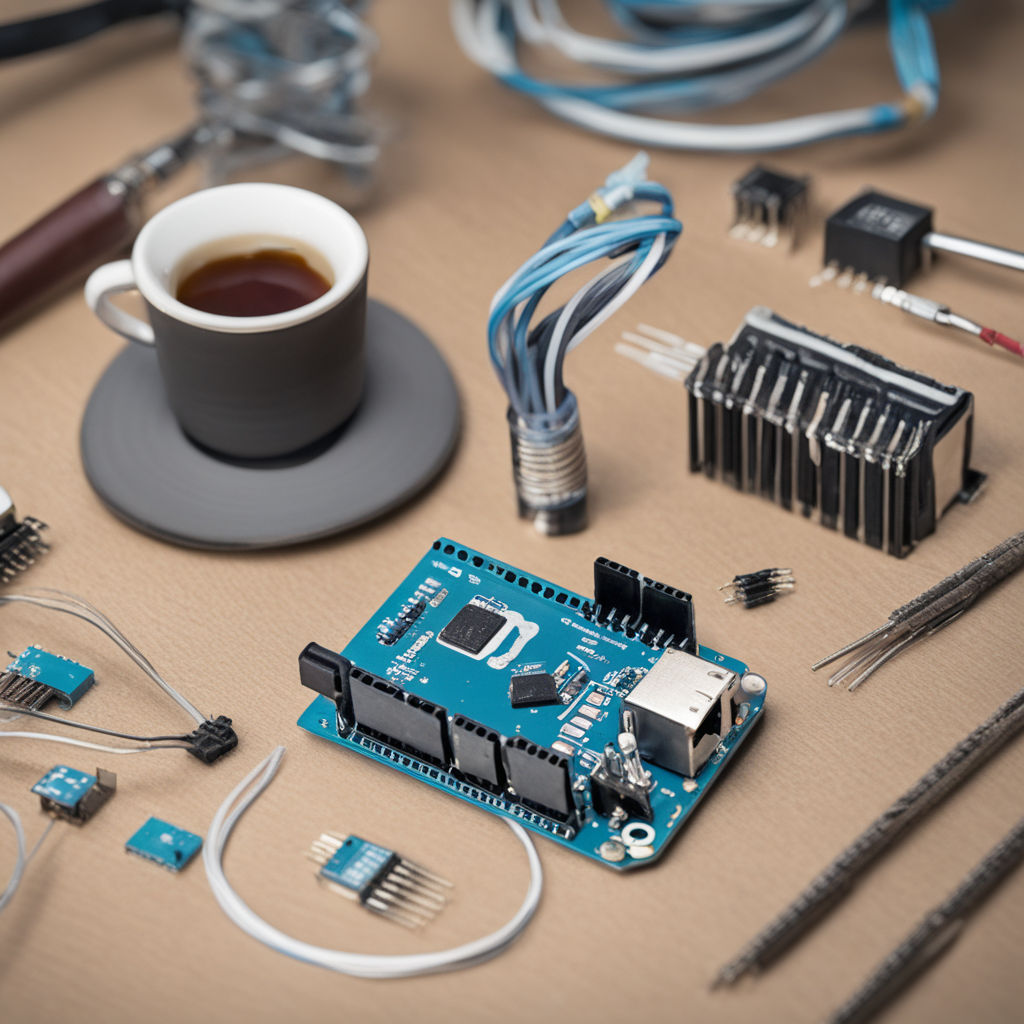
Embedded systems typically consist of a microcontroller or microprocessor, memory, input/output interfaces, and software components. These components work together to execute predefined functions, such as controlling machinery or processing sensor data.
Applications of Embedded Systems
Automotive Industry
Embedded systems play a crucial role in modern vehicles, controlling everything from engine management to infotainment systems. Advanced driver assistance systems (ADAS) rely on embedded technology to enhance safety and provide intelligent features like adaptive cruise control and lane-keeping assistance.
Consumer Electronics
From smartphones to smart TVs, embedded systems power a wide range of consumer electronics devices. These systems enable seamless connectivity, responsive interfaces, and innovative features that enhance user experience.
Healthcare Sector
In the healthcare industry, embedded systems are used in medical devices such as pacemakers, insulin pumps, and MRI machines. These systems help monitor patients’ vital signs, deliver precise doses of medication, and perform complex diagnostic procedures.
Industrial Automation
Embedded systems play a vital role in industrial automation, controlling manufacturing processes, robotics, and monitoring systems. These systems improve efficiency, reduce human error, and enable predictive maintenance to minimise downtime.
Impact of Embedded Systems on Daily Life
Embedded systems have a profound impact on our daily lives, providing convenience, efficiency, and safety across various domains.
Convenience and Efficiency
Embedded systems automate routine tasks, streamline workflows, and simplify interactions with technology. From automatic coffee makers that brew your morning cup to smart home systems that adjust lighting and temperature based on your preferences, embedded systems make everyday life more convenient and efficient.
Enhanced User Experience
In consumer electronics, embedded systems enable intuitive interfaces, seamless connectivity, and personalised features that enhance user experience. Whether it’s a voice-activated virtual assistant or a fitness tracker that monitors your activity, embedded systems enrich our interaction with technology.
Improved Safety and Reliability
In critical applications such as automotive safety systems and medical devices, embedded systems play a vital role in ensuring safety and reliability. Advanced sensor networks, real-time monitoring, and fail-safe mechanisms enhance the performance of these systems, reducing the risk of accidents and errors.
Challenges and Future Trends
Despite their many benefits, embedded systems also face challenges and opportunities for innovation.
Security Concerns
As embedded systems become more interconnected and data-driven, they are increasingly vulnerable to cyber threats and security breaches. Protecting embedded systems from malware, hacking, and unauthorised access is a growing concern for manufacturers and developers.
Increasing Complexity
The growing complexity of embedded systems poses challenges in design, development, and maintenance. Integrating diverse components, managing software updates, and ensuring compatibility across platforms require careful planning and expertise.
Advancements in AI and IoT
The convergence of artificial intelligence (AI) and the Internet of Things (IoT) presents new opportunities for embedded systems. AI-powered algorithms can optimise system performance, enable predictive analytics, and enhance user interaction, driving innovation in embedded technology.
Conclusion
Embedded systems are the hidden heroes of modern technology, powering the devices and systems that shape our daily lives. From automotive safety to healthcare innovation, embedded systems play a crucial role in enhancing convenience, efficiency, and safety. As technology continues to evolve, embedded systems will remain at the forefront of innovation, driving progress and shaping the future of interconnected systems.
FAQs
- What are embedded systems? Embedded systems are specialised computing systems designed to perform specific tasks within a larger system. They are optimised for efficiency, reliability, and real-time operation.
- Where are embedded systems used? Embedded systems are used in various applications, including automotive systems, consumer electronics, healthcare devices, and industrial automation.
- What are the challenges facing embedded systems? Challenges include security concerns, increasing complexity, and the need to adapt to advancements in AI and IoT technology.
- How do embedded systems enhance the user experience? Embedded systems enable intuitive interfaces, seamless connectivity, and personalised features that improve user interaction with technology.
- What is the future of embedded systems? The future of embedded systems lies in advancements in AI, IoT integration, and addressing challenges related to security and complexity.