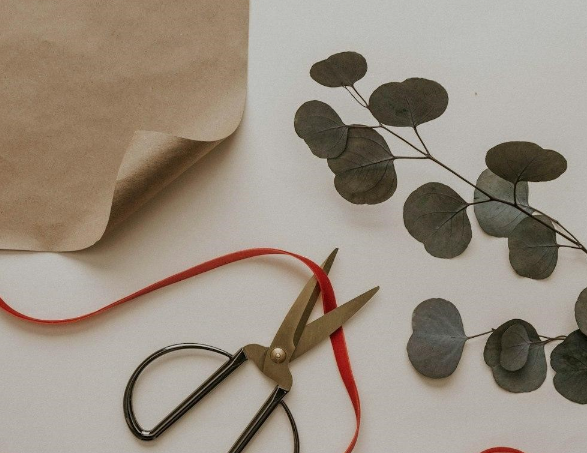
Scissors are one of the most common hand tools used when crafting, sewing, and cooking, among other activities. Though looking and sounding simple, do you know there is a vital difference between right-handed and left-handed scissors? Choosing the correct scissors for the dominant hand is the difference between comfort, control, and precision while cutting through various materials.
This article takes a closer look at the differences between righty and lefty scissors. These differentiations help you choose scissors that best fit your crafting needs.
- Blade Orientation
One of the major distinguishing features of the handedness in the pair of scissors is the blade’s position. On right-handed scissors, the longest blade is usually found on the right when the scissors are open, and the opposite is true for left-handed scissors: the longest blade is on the left. This difference will affect how the scissors nest in the hand depending on whether the person is left- or right-handed.
The longer blade is set on the right side for right-handers to enable the blades to pinch around an object using the thumb and two first fingers, which open and close the blades easily. The blade orientation is set for right-handed use with the longer blade on the right side. On the other hand, it is most comfortable and controlled for lefties to have the longer blade set on the left side. Blade orientation or structure is designed to fit righties or lefties precisely; it has an ergonomic grip and ensures a smooth cutting motion.
- Ergonomic Design
Aside from the design considerations toward optimized blade orientation, ergonomic design tailored to fit the human hand is expanded upon with right- and left-handed scissors. Right-handed scissors often have longer handles, contoured to fit snugly into the right hand’s fingers and palm.
The thumb falls comfortably across the top of the handles, where downward pressure can be applied. The lefty scissors subtly differ in design with shorter, curved handles and thumb placements optimized for the left-handed pinch. Unique handles provide a natural grip without undue wrist bending or hand muscle strain over time. The ergonomic design guarantees control, precision, and comfort, no matter in which hand they are used.
- Blade Angle
In addition to blade orientation and handle design, an essential functional difference lies in the cutting angle of the blades. For right-handed scissors, the blades often meet at a 45 to 60-degree inward-facing angle when closed. This angling positions the cutting edge favorably for a right hand to easily initiate a cutting motion.
On the other hand, left-handed scissors tend to have blades that meet at a slightly wider 60 to 75-degree inward angle. The wider cutting angle generates leverage that favors the natural downward-and-forward motion of a dominant left hand. Whether at 45 degrees or 75 degrees, the carefully calibrated blade angles foster seamless cutting without resistance from the natural direction of hand movement.
- Cutting Precision
Designed for each hand, left- and right-handed scissors perform their best when used to do the exact cutting and are held by the particular hand they are fabricated for. An ergonomic grip and optimized angles of the blade allow righty and lefty scissors to be in full control, to use them with finesse, and even a lighter touch when trimming materials like paper, fabric, or other craft supplies. Some of the key benefits of scissors cuts for your dominant hand include:
- Clean, uniform cuts with no accidental material slippage or drag.
- Allows for longer, comfortable cutting sessions without hand fatigue
- It can be used for many years without being depleted
- Cutting of intricate patterns, figures, and designs; precise cutting of complex patterns, letters, designs,
- Easy maneuverability for small, detailed projects that require dexterity.
Proper scissors let the craftsman focus on his creativity rather than being fettered by a poor tool. Precision cutting, which can be achieved with scissors made for the dominant hand, expedites many arts and crafts techniques.
- Availability
While this seems straightforward, the choices presented and poorly labeled make selecting the right pair of scissors somewhat complicated. Most general-purpose scissors are made for right-handers since they make up about 90% of the population. However, specialty crafting or industrial scissors might be available in explicit righty or lefty models.
Visual indicators, including the stamped R or L on pairs of scissors, are also good aids to use when shopping in person. Nearly all online retailers will list the hand orientation in product details. The growing popularity of crafting has gone across the globe, and as a result, a more extended, good-quality selection of left-handed scissors is available from all major brands. Checking with preferred retailers ensures the right tools are selected for maximum results.
Final Thoughts
Whether you are a hobbyist or a professional crafter, understanding the key differences between right-handed and left-handed scissors gives you a glimpse into the right kind of scissors to use with your dominant hand. Aspects such as blade orientation, ergonomic design, cutting angle, and precision have all been developed over many years of refinement.
With an ideal pair made to match your hand dominance, crafting becomes an easy and fun activity. Feel free to exercise your creativity without any limitation that unsuitable tools may place on you. Arm yourself with this knowledge; therefore, go and find the scissors best designed for your grasp and explore your talent to full capacity in the arts, crafts, and many other areas.