Introduction: The Value of Art Education
Art education is an integral part of a well-rounded curriculum, fostering creativity, critical thinking, and cultural awareness in students. At [Your Company Name], we provide meticulously crafted art lessons for teachers to enhance the educational experience for students from Kindergarten through Year 6. Our detailed lesson plans and full-year curriculum are designed to alleviate the burden of planning and ensure a seamless, engaging art education journey for both specialist art teachers and classroom teachers.
The Significance of Detailed Art Lesson Plans
Structured art lesson plans are essential for delivering consistent and high-quality art education. Our plans cover an extensive range of genres, techniques, and materials, providing a comprehensive framework that supports teachers and captivates students.
Benefits of Our Art Lesson Plans
- Consistency and Structure: Ensures that every aspect of art education is covered systematically throughout the year.
- Time-Saving: Teachers can save significant planning time with ready-to-use, detailed lesson plans.
- Student Engagement: Diverse and dynamic activities keep students interested and motivated to learn.
Key Elements of Our Art Lesson Plans
1. Exploration of Artistic Genres
Our lesson plans introduce students to a variety of artistic genres, fostering a deep appreciation for art.
- Famous Artists: Students learn about influential artists like Michelangelo, Monet, and Kahlo, exploring different art movements and styles.
- Cultural Art: Lessons on cultural art broaden students’ horizons and deepen their understanding of global artistic traditions.
- Nature and Animals: Art projects inspired by nature and wildlife stimulate observation skills and creative expression.
2. Utilization of Diverse Art Materials and Techniques
Hands-on experience with different materials and techniques is crucial for developing artistic skills. Our lesson plans include:
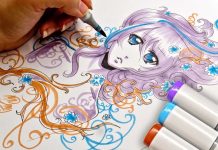
- Drawing: From basic sketching to advanced techniques, students build a solid foundation in drawing.
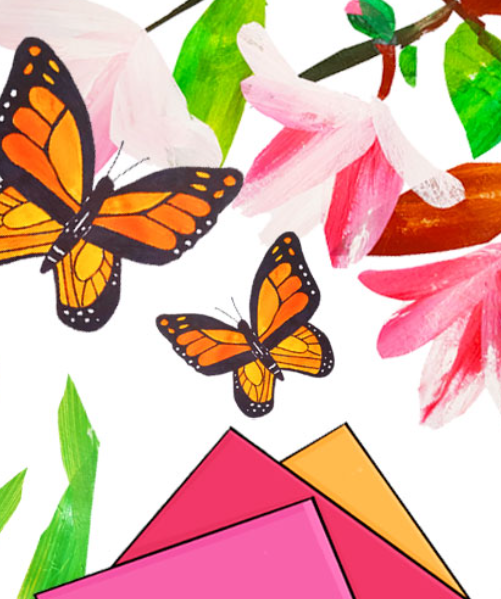
- Painting: Various painting methods, including watercolors, acrylics, and oils, are explored to enhance students’ artistic repertoire.
- Clay Modeling: Working with clay helps students understand form and develop fine motor skills.
- Printmaking: Students learn printmaking techniques, adding depth to their understanding of artistic processes.
Implementing Our Full-Year Art Curriculum
Step-by-Step Curriculum Guide
Our full-year curriculum provides a structured and progressive approach to art education.
- Term-Based Structure: Each term focuses on specific themes and techniques, ensuring a balanced and comprehensive learning experience.
- Clear Objectives: Defined learning objectives for each lesson help teachers track students’ progress and ensure key skills are developed.
- Assessment Tools: We provide tools for evaluating student performance, allowing teachers to tailor support and feedback effectively.
Teacher Support and Resources
We offer extensive support to help teachers implement our lesson plans effectively.
- Detailed Instructions: Each lesson includes clear, step-by-step instructions to facilitate easy implementation.
- Visual Aids: Examples and visual aids support both teachers and students, enhancing the learning experience.
- Professional Development: Access to workshops and training sessions helps teachers build confidence and proficiency in teaching art.
Engaging Students Through Interactive Art Activities
Creative and Collaborative Projects
Interactive and collaborative projects are key to fostering a love for art and enhancing learning outcomes.
- Group Projects: Team-based activities promote collaboration and collective creativity.
- Art Exhibitions: School art exhibitions provide a platform for students to display their work, boosting their confidence and pride.
- Cross-Curricular Integration: Integrating art with other subjects, such as history, science, and literature, enriches students’ overall learning experience.
Incorporating Technology in Art Education
Leveraging technology can significantly enhance the delivery and engagement of art lessons.
- Digital Art Tools: Introducing students to digital art platforms and tools expands their creative possibilities.
- Online Resources: Access to online galleries, virtual museum tours, and art tutorials broadens students’ exposure to the art world.
- Interactive Platforms: Using interactive platforms for collaborative projects and discussions fosters a dynamic and inclusive classroom environment.
Conclusion
Our comprehensive art lessons for teachers are designed to provide a structured, engaging, and enriching art education experience for students. By integrating detailed lesson plans, diverse materials, and interactive activities, we aim to support teachers in fostering a deep appreciation for art in their students. Our resources ensure that art education is accessible, enjoyable, and impactful, helping to nurture the next generation of creative thinkers and artists.