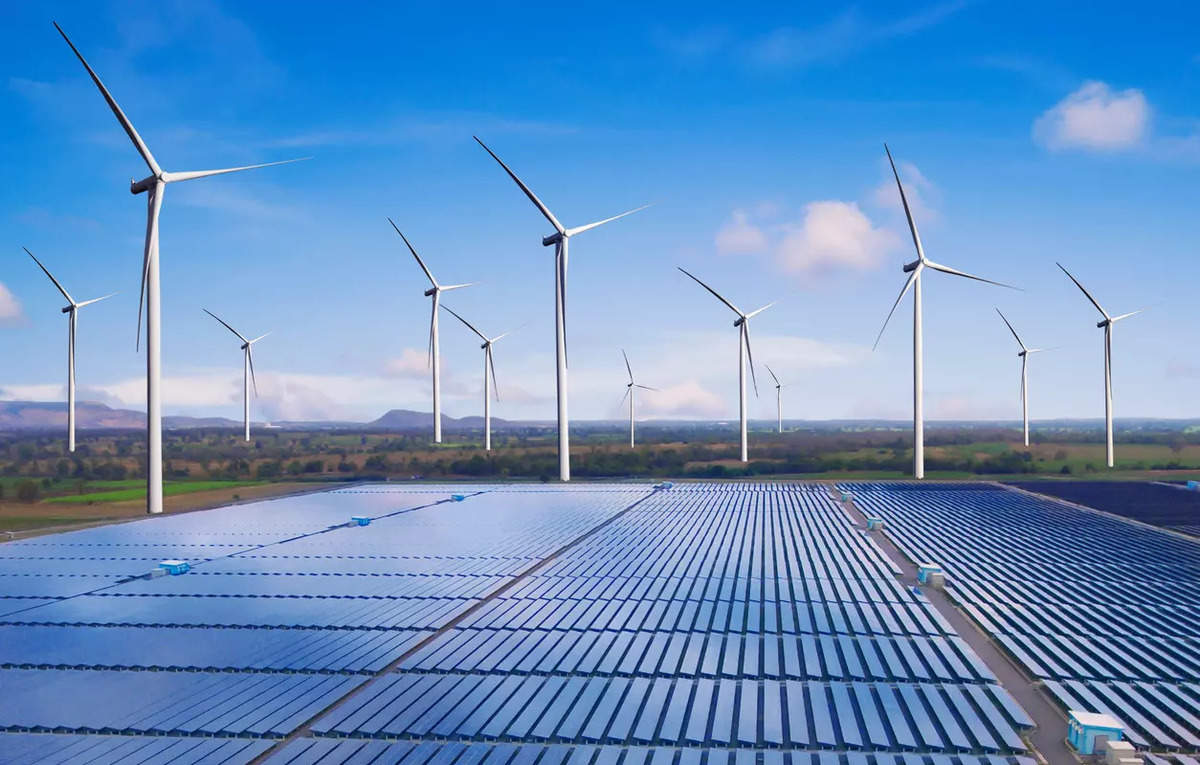
In the quest for sustainable energy, humanity often finds itself looking outward, seeking technological marvels and innovations. Yet, amidst the flurry of modern advancements, we sometimes overlook the abundant and potent reservoirs of energy that nature herself provides. Natural energy sources, ranging from sunlight to wind, water, and geothermal heat, offer an untapped wealth of potential waiting to be harnessed. In this exploration, we delve into the diverse array of natural energy solutions, their benefits, and the transformative impact they can have on our planet and our lives.
Solar Energy: The Radiant Power Of The Sun
At the forefront of natural energy solutions lies solar power, derived from the boundless energy of the sun. With each passing day, the sun showers the Earth with an incomprehensible amount of energy, far surpassing current global energy consumption. Solar panels, equipped with photovoltaic cells, capture this radiant energy and convert it into electricity with remarkable efficiency.
One of the most compelling aspects of solar energy is its accessibility. Unlike fossil fuels, which are concentrated in specific regions, sunlight is abundant across the globe. Whether in the sun-drenched deserts of Africa or the temperate forests of Scandinavia, solar panels can be deployed virtually anywhere, decentralizing energy production and empowering communities to become self-sufficient.
Furthermore, solar energy is inexhaustible and environmentally benign, emitting no greenhouse gases or pollutants during operation. As we strive to mitigate climate change and reduce our carbon footprint, the widespread adoption of solar power emerges as a cornerstone of a sustainable future.
Wind Energy: Harnessing The Breath Of The Earth
Another formidable contender in the realm of natural energy solutions is wind power. Wind turbines, towering gracefully across landscapes, transform the kinetic energy of wind into electricity, generating clean, renewable power with minimal environmental impact.
The appeal of wind energy lies in its versatility and scalability. From small-scale turbines dotting rural landscapes to vast offshore wind farms harnessing the relentless power of ocean winds, wind energy projects come in a variety of shapes and sizes, adaptable to diverse geographical conditions.
Moreover, wind energy boasts an impressive track record of cost-effectiveness and technological innovation. Advances in turbine design and materials have dramatically increased efficiency and reliability, driving down costs and making wind power increasingly competitive with conventional fossil fuels.
Hydropower: Tapping Into The Flow Of Rivers
For centuries, humanity has relied on the kinetic energy of flowing water to drive mills and machinery. Today, hydropower stands as one of the oldest and most established forms of renewable energy, accounting for a significant portion of global electricity generation.
Hydropower facilities, ranging from towering dams to small run-of-river installations, harness the gravitational potential energy of water as it flows downstream, converting it into electricity through turbines and generators. This dependable and dispatchable source of energy provides essential grid stability and serves as a valuable complement to intermittent renewables like solar and wind.
Despite its benefits, hydropower projects must be approached with caution, mindful of their potential environmental and social impacts. Large-scale dams can disrupt aquatic ecosystems, alter river flows, and displace communities, highlighting the importance of thorough environmental assessments and stakeholder engagement in hydropower development.
Geothermal Energy: Tapping Into The Earth’s Inner Heat
Beneath the Earth’s surface lies a reservoir of heat waiting to be tapped. Geothermal energy harnesses this natural heat through the utilization of steam or hot water from deep within the Earth, providing a reliable and renewable source of electricity and heat.
Geothermal power plants, located in regions with high geothermal activity, extract hot water or steam from underground reservoirs and use it to drive turbines, generating electricity with minimal emissions or environmental impact. Additionally, geothermal heat pumps utilize the Earth’s stable underground temperatures to heat and cool buildings, offering energy-efficient solutions for residential and commercial applications.
The inherent reliability and baseload capability of geothermal energy make it a valuable asset in the transition to a low-carbon energy future. Furthermore, ongoing advancements in geothermal drilling technology and resource mapping techniques continue to expand the potential for geothermal energy development worldwide.
The Promise Of Natural Energy Solutions
As we confront the dual challenges of climate change and energy security, the imperative to embrace natural energy solutions has never been more pressing. By harnessing the abundant power of the sun, wind, water, and Earth, we can unlock a sustainable future built on renewable resources.
However, realizing this vision requires concerted effort and investment across multiple fronts. Governments must enact supportive policies and incentives to spur the adoption of renewable energy technologies, while businesses and investors must commit to funding research and development initiatives aimed at furthering innovation and driving down costs.
Moreover, community engagement and grassroots advocacy play a crucial role in fostering widespread acceptance and adoption of natural energy solutions. By empowering individuals and communities to take ownership of their energy future, we can catalyze a bottom-up transition towards a cleaner, more resilient energy system.
Conclusion
In harnessing nature’s power, we embark on a journey of discovery and transformation, unlocking the vast potential of natural energy sources to power our world sustainably. From the radiant glow of the sun to the gentle caress of the wind, from the mighty flow of rivers to the hidden depths of the Earth, nature offers us a bounty of energy waiting to be harnessed.
As we stand at the precipice of a renewable energy revolution, let us seize the opportunity to embrace natural energy solutions and chart a course towards a brighter, greener future for generations to come. Together, we can harness the boundless power of nature and pave the way towards a world powered by clean, renewable energy.
Frequently Asked Questions
What Are Natural Energy Solutions?
Natural energy-solutions refer to the utilization of renewable resources found in nature, such as sunlight, wind, water (hydropower), and geothermal heat, to generate electricity and heat. These solutions harness the inherent energy of the Earth’s natural processes, providing sustainable alternatives to fossil fuels.
How Do Natural Energy-Solutions Differ From Conventional Energy Sources?
Unlike conventional energy sources like coal, oil, and natural gas, natural energy-solutions are renewable and environmentally friendly. They produce little to no greenhouse gas emissions during operation and rely on abundant, inexhaustible resources available in nature. Additionally, natural energy solutions promote energy independence and resilience by decentralizing power generation.
What Are Some Examples Of Natural Energy-Solutions?
Some examples of natural energy-solutions include solar power, wind energy, hydropower, and geothermal energy. Solar power involves the conversion of sunlight into electricity using photovoltaic panels, while wind energy harnesses the kinetic energy of wind through wind turbines. Hydropower utilizes the gravitational force of flowing water to generate electricity, and geothermal energy taps into the Earth’s heat from underground reservoirs.
Are Natural Energy-Solutions Economically Viable?
Yes, natural energy solutions have become increasingly economically viable in recent years. Advances in technology, coupled with declining costs of renewable energy components like solar panels and wind turbines, have made these solutions competitive with conventional fossil fuels in many regions. Additionally, the long-term environmental and societal benefits of natural energy solutions often outweigh their initial investment costs.
What Are The Environmental Benefits Of Natural Energy-Solutions?
Natural energy solutions offer numerous environmental benefits, including reduced greenhouse gas emissions, improved air quality, and conservation of natural resources. By displacing fossil fuels, these solutions help mitigate climate change and reduce dependence on finite resources like coal and oil. Furthermore, they minimize environmental degradation associated with resource extraction and combustion.