Introduction
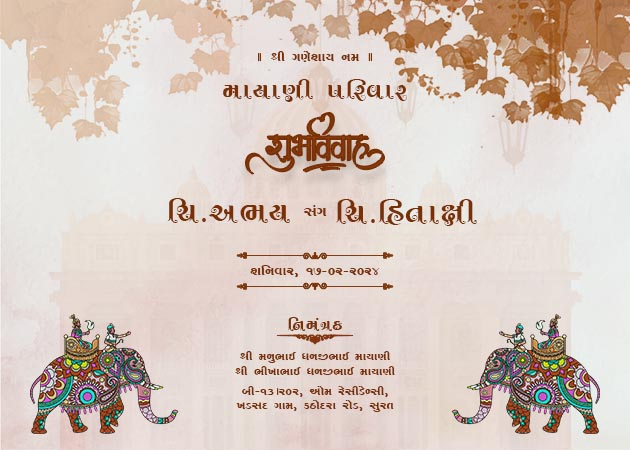
Have you ever marveled at the beauty and intricacy of traditional Gujarati invitation cards? These cards, known as Kankotri Lakhan, are more than just invitations; they are a reflection of cultural heritage and artistic finesse. Whether you’re planning a wedding, festival, or any significant event, mastering the art of Kankotri Lakhan can make your invitations truly stand out. Let’s explore some essential tips and techniques to help you create stunning and meaningful Gujarati Kankotris.
Understanding Kankotri Lakhan
Kankotri Lakhan is the traditional art of creating and writing invitation cards in Gujarat. These cards are used for various events such as weddings, festivals, and religious ceremonies. Each Kankotri is a work of art, often featuring intricate designs and calligraphy that reflect the significance of the event.
Historical Context
The tradition of Kankotri Lakhan has deep roots in Gujarati history. Historically, these invitations were handwritten on parchment or handmade paper, adorned with elaborate designs and script. This practice not only highlighted the event’s importance but also showcased the host’s respect and hospitality towards their guests.
Cultural Relevance
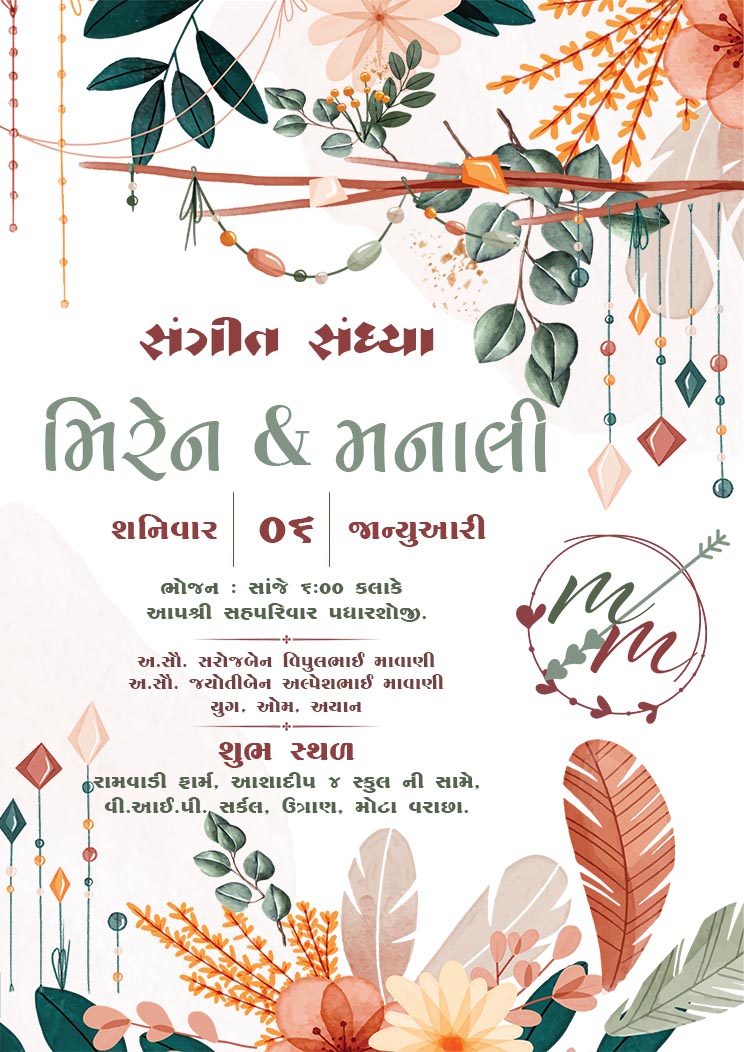
In Gujarati culture, the Kankotri is more than just an invitation. It is a symbol of respect and an expression of the host’s regard for their guests. The design and quality of the Kankotri often reflect the cultural values and artistic heritage of the region, making each invitation a cherished keepsake.
Essential Materials
Traditional Materials:
- Handmade Paper: Known for its unique texture and aesthetic appeal.
- Parchment: Durable and classic, often used for formal invitations.
- Natural Dyes: Used to achieve vibrant and authentic colors.
Modern Materials:
- High-Quality Cardstock: Provides a luxurious feel and durability.
- Metallic Inks: Add a touch of elegance and sophistication.
- Digital Printing: Allows for precision and intricate designs.
Choosing the right materials is crucial to achieving the desired look and feel of your Kankotri.
Traditional Techniques
Traditional techniques for creating Kankotris include:
- Hand Calligraphy: Adding a personal and authentic touch to each invitation.
- Block Printing: Using carved wooden blocks to create intricate designs.
- Embossing: Adding a raised texture to the card, enhancing its visual appeal.
These techniques require skill and precision, ensuring that each Kankotri is a unique piece of art.
Modern Approaches
Modern approaches to Kankotri Lakhan have introduced new styles and methods:
- Digital Calligraphy: Combining the beauty of traditional script with the precision of digital tools.
- Laser Cutting: Creating intricate patterns and designs with laser precision.
- Eco-friendly Materials: Using recycled paper and biodegradable inks to create sustainable invitations.
These modern methods offer a blend of tradition and innovation, catering to contemporary tastes while preserving cultural significance.

Design Elements
Motifs and Symbols:
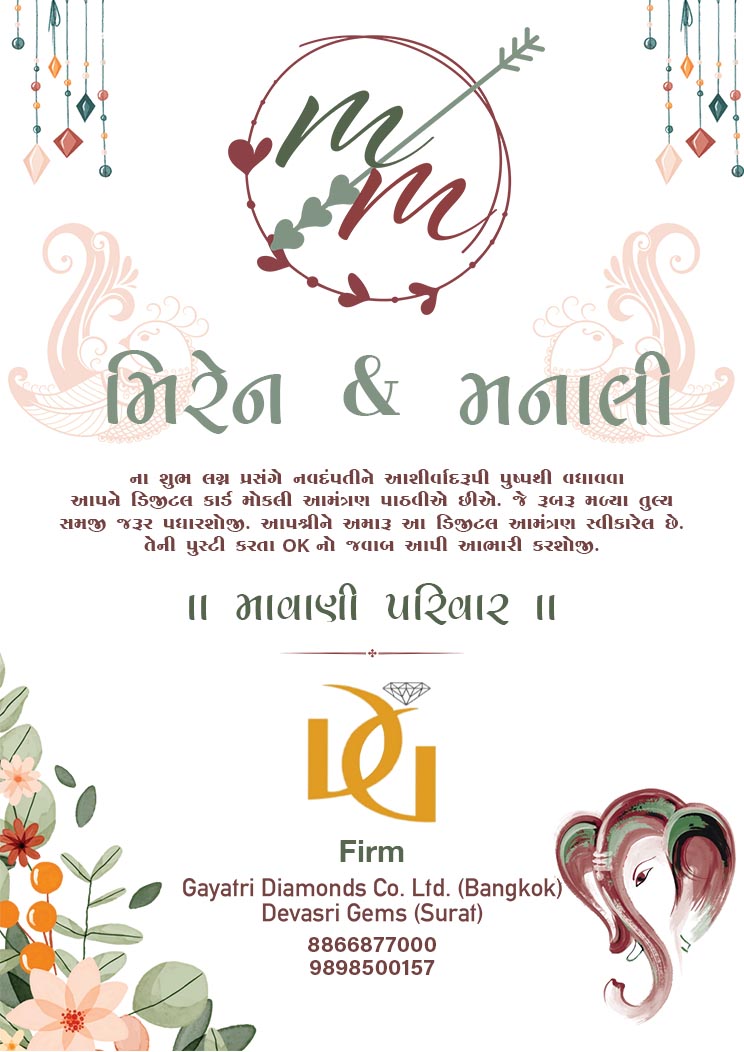
- Peacocks and Elephants: Representing beauty and strength.
- Lotus Flowers: Symbolizing purity and enlightenment.
- Religious Symbols: Such as deities and auspicious motifs.
Colors:
- Rich Hues: Gold, red, and royal blue are traditional favorites.
- Pastel Shades: Popular in modern designs for their subtle elegance.
- Metallic Accents: Adding a touch of luxury and sophistication.
Borders and Patterns:
- Intricate Borders: Inspired by traditional Indian textiles and architecture.
- Geometric Patterns: Blending traditional and modern aesthetics.
These design elements combine to create visually stunning and culturally rich invitations.
Personalization Tips
Personalizing your Kankotri can make it even more special:
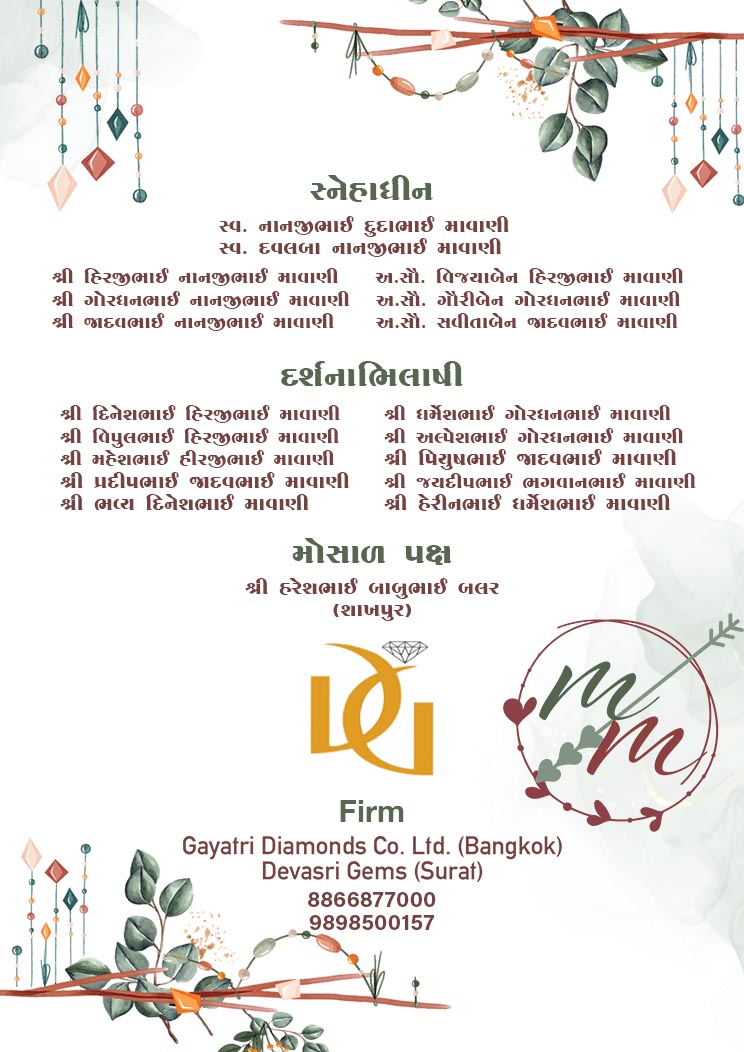
- Names and Dates: Including the names of hosts and guests, and important dates.
- Custom Messages: Adding personal notes or blessings.
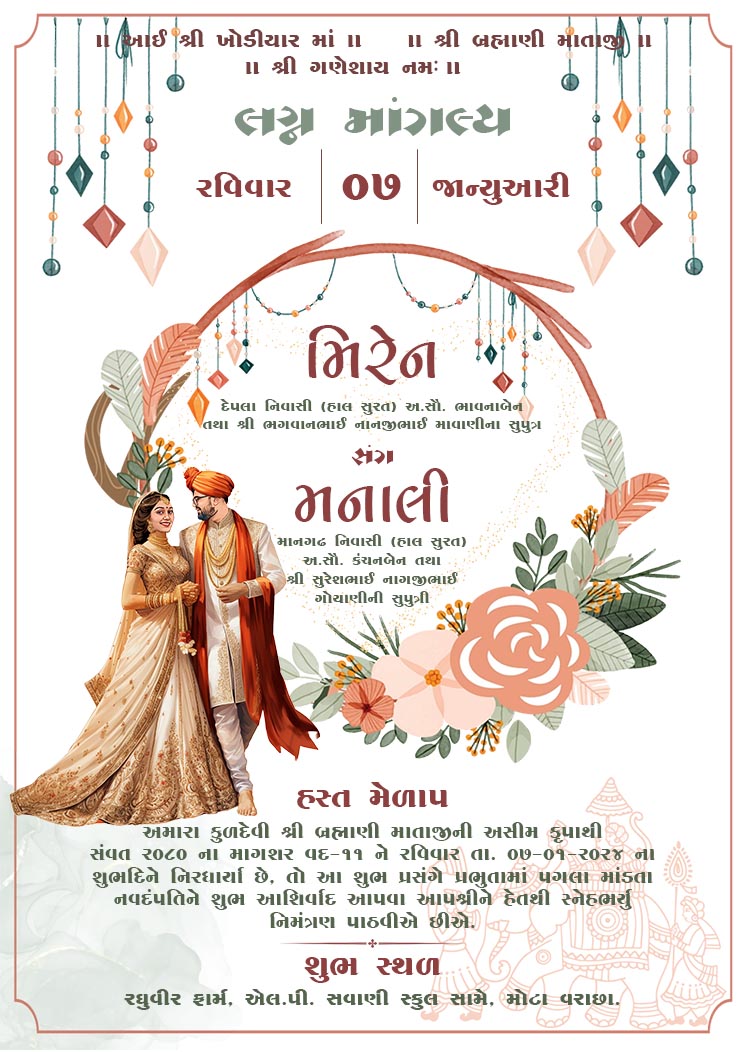
- Photos and Monograms: Incorporating personal images or family crests.
Personalized Kankotris add a unique touch that makes each invitation a cherished keepsake.
Eco-friendly Practices
With growing environmental awareness, many are opting for eco-friendly Kankotris:
- Recycled Paper: Reducing the environmental footprint.
- Biodegradable Inks: Ensuring no harmful chemicals are used.
- Seed Paper: Invitations that can be planted to grow flowers or herbs.
Eco-friendly Kankotris not only help protect the environment but also offer a unique and meaningful twist to traditional invitations.
Budget-friendly Ideas
Creating beautiful Kankotris doesn’t have to break the bank:
- DIY Kits: Pre-designed kits that allow you to assemble and personalize your invitations.
- Simple Designs: Focusing on quality materials and minimalist designs.
- Bulk Printing: Ordering in bulk to reduce costs.
These budget-friendly ideas help you create stunning Kankotris without compromising on quality.
Kankotris for Different Events
Different events call for different styles of Kankotris:
- Weddings: Elaborate designs with rich colors and luxurious materials.
- Festivals: Bright and vibrant colors with joyful motifs.
- Religious Ceremonies: Incorporating religious symbols and traditional designs.
Tailoring your Kankotri to the specific event ensures that it appropriately reflects the occasion’s significance and mood.
Common Mistakes to Avoid
When creating Kankotris, avoid these common mistakes:
- Overcrowded Designs: Too many elements can make the invitation look cluttered.
- Poor Quality Materials: Using low-quality paper or ink can detract from the overall look.
- Lack of Personalization: Generic invitations may not convey the intended sentiment.
By avoiding these pitfalls, you can ensure that your Kankotri is both beautiful and meaningful.
Conclusion
Mastering the art of Gujarati Kankotri Lakhan requires a blend of traditional techniques, modern approaches, and personal creativity. Whether you’re planning a grand wedding or a festive celebration, these tips and techniques will help you create invitations that are not only beautiful but also rich in cultural significance. A well-crafted Kankotri is more than just an invitation; it’s a cherished keepsake that reflects the spirit of the event and the warmth of the hosts.