In today’s fast-paced world, maintaining the freshness and quality of products is essential for businesses across various industries. Whether it’s food, electronics, or pharmaceuticals, maximizing shelf life is a priority. One innovative solution that has gained significant attention is the use of die-cut Mylar bags. These specialized packaging solutions offer advanced technology and scientific principles to ensure products remain fresh and intact for extended periods. Let’s delve into the science behind die-cut Mylar bag technology and how it contributes to maximizing shelf life.
Understanding Die-Cut Mylar Bags
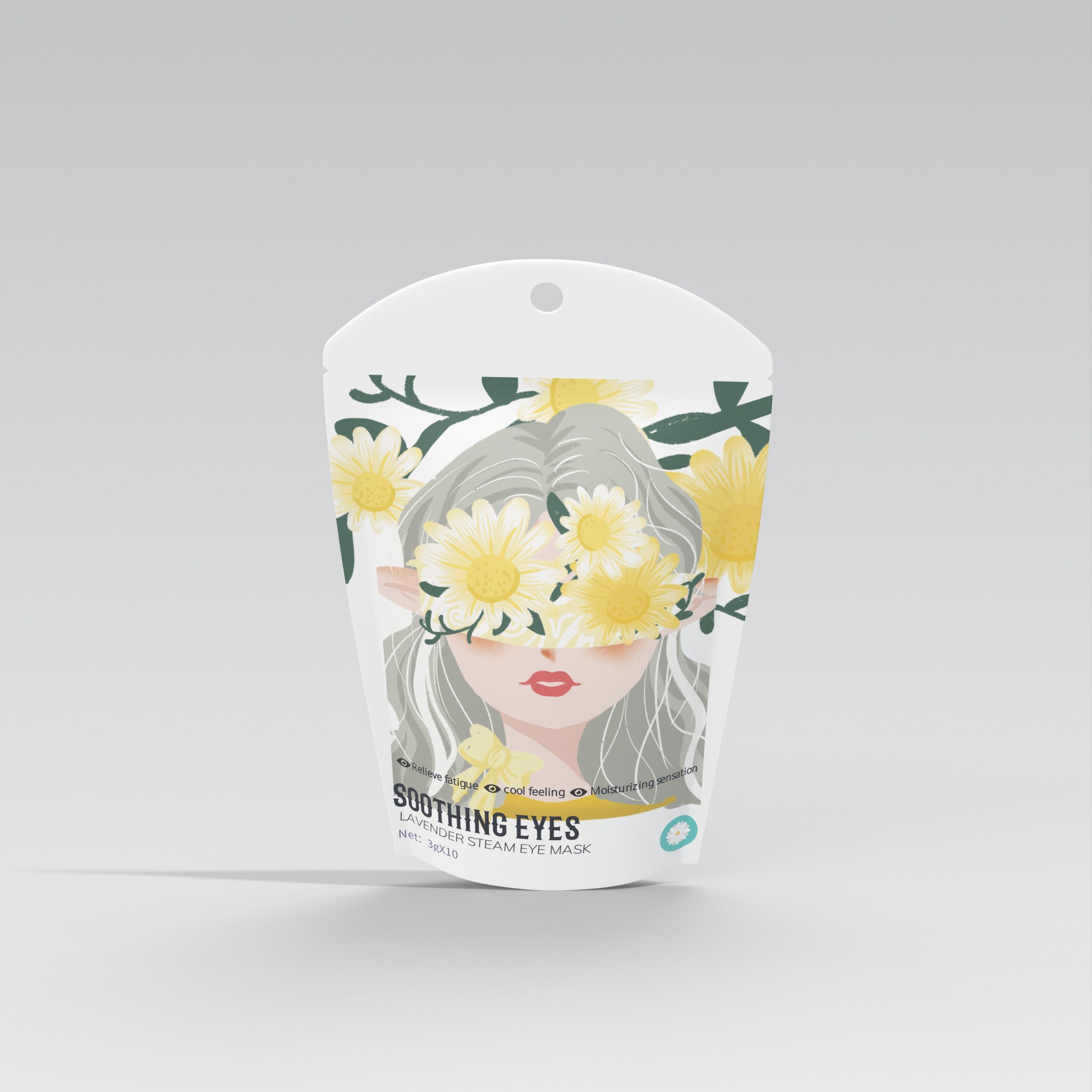
Die-cut Mylar bags are crafted from Mylar, a durable polyester film known for its exceptional barrier properties. The term “die-cut” refers to the precise cutting of the bags into specific shapes and sizes, tailored to the requirements of different products. The science behind these bags lies in their construction and material composition.
Material Composition
The construction of die-cut Mylar bags involves multiple layers of Mylar film laminated together with other materials such as aluminum foil and polyethylene. Each layer serves a specific purpose in enhancing the barrier properties of the bag. Mylar provides excellent resistance to moisture, oxygen, light, and odors, ensuring the integrity of the packaged products.
Barrier Properties
The primary goal of die-cut Mylar bags is to create a protective barrier between the product and the external environment. This barrier prevents moisture, oxygen, and other contaminants from penetrating the bag and compromising the quality of the contents. The combination of Mylar film and other barrier materials creates an airtight seal that preserves the freshness and flavor of food items, protects sensitive electronic components from damage, and maintains the sterility of medical supplies.
The Science Behind Preservation
Preserving the freshness and quality of products requires an understanding of the factors that contribute to deterioration. Several scientific principles come into play when designing die-cut Mylar bags for maximum shelf life.
Oxygen Barrier
Oxygen is one of the primary factors contributing to the spoilage of food products and the degradation of sensitive materials. Die-cut Mylar bags are engineered to create an oxygen barrier that prevents oxygen from permeating the packaging. This barrier extends the shelf life of perishable goods by slowing down the oxidative processes that lead to spoilage and degradation.
Moisture Barrier
Moisture is another critical factor that can accelerate the deterioration of products, particularly food items and electronic components. Die-cut Mylar bags incorporate moisture barrier properties to prevent moisture ingress and maintain the optimal humidity levels within the packaging. By controlling moisture levels, these bags help prevent mold growth, corrosion, and other forms of damage.
Light and UV Protection
Exposure to light and ultraviolet (UV) radiation can cause degradation and discoloration of certain products, such as food ingredients and pharmaceuticals. Die-cut Mylar bags offer excellent light-blocking properties, shielding the contents from harmful UV rays and preserving their color, texture, and potency.
Odor Resistance
Unwanted odors can affect the quality and taste of food products, as well as the performance of sensitive materials. Die-cut Mylar bags are designed to provide odor resistance, ensuring that the contents remain fresh and free from any external odors or contaminants.
Customization and Innovation
One of the remarkable aspects of die-cut Mylar bag technology is its versatility and adaptability to diverse packaging needs. Manufacturers can customize these bags to meet specific requirements, incorporating innovative features and technologies to enhance shelf life further.
Active Packaging Solutions
Some die-cut Mylar bags feature active packaging solutions, such as oxygen scavengers and moisture absorbers, which actively remove or neutralize harmful gases and moisture within the packaging. These solutions help prolong shelf life and maintain product quality by creating a controlled atmosphere environment.
Smart Packaging Technologies
Advancements in smart packaging technologies have also influenced the development of die-cut Mylar bags. These bags can be equipped with sensors and indicators that monitor environmental conditions such as temperature, humidity, and gas levels. By providing real-time data on product storage conditions, smart Mylar bags help ensure optimal freshness and quality.
Conclusion
Maximizing shelf life is a critical aspect of product preservation and consumer satisfaction. Die-cut Mylar bag technology offers a sophisticated solution rooted in scientific principles and innovative engineering. By leveraging advanced barrier properties, customization options, and smart packaging technologies, these bags play a crucial role in extending the shelf life of a wide range of products across various industries.