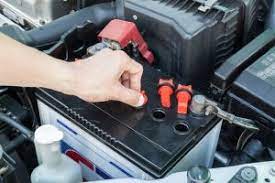
Are you tired of being left stranded with a dead car battery? Do you find yourself confused by the technical jargon surrounding car batteries? Fear not, because we have created the ultimate guide to understanding car batteries! In this comprehensive blog post, we will break down everything you need to know about your vehicle’s power source so that you can stay informed and empowered on the road. Say goodbye to battery woes and hello to peace of mind – let’s dive in!
Introduction to car batteries and their importance
Car batteries are an essential component of any vehicle, as they provide the necessary power to start the engine and operate electrical systems such as lights, radio, and air conditioning. A car battery is essentially a rechargeable storage device that converts chemical energy into electrical energy through a chemical reaction. It is responsible for storing and supplying the high amount of power required to start the engine, which in turn powers all other electrical components in the car.
Types of Car Batteries
There are two main types of car batteries: lead-acid batteries and lithium-ion batteries. Lead-acid batteries are the most common type and have been used for decades in vehicles. They consist of lead plates submerged in an electrolyte solution made up of sulfuric acid and water. These batteries are relatively inexpensive but have a shorter lifespan compared to lithium-ion batteries.
Factors Affecting Battery Performance
Several factors can affect the performance and lifespan of a car battery:
1) Weather conditions – Extreme temperatures (both hot and cold) can decrease battery life by causing internal damage or slowing down chemical reactions.
2) Driving habits – Frequent short trips do not give enough time for the alternator to fully charge the battery, resulting in quicker depletion.
3) Age – As with any electronic device, age plays a significant role in battery performance. Most batteries have a lifespan of 3-5 years.
4) Maintenance – Regular maintenance such as cleaning and checking for corrosion can prolong the life of your battery.
Signs of a Failing Battery
Knowing the signs of a failing battery can save you from unexpected breakdowns. Some common signs include difficulty starting your car, dimming headlights, and slow power windows or locks. If you notice any of these signs, it is crucial to get your battery checked by a professional.
How does a car battery work?
Car batteries are a crucial component of every vehicle, as they power the engine and provide electricity for all the electrical systems. But have you ever wondered how exactly a car battery works? In this section, we will delve into the inner workings of a car battery and explain its role in keeping your vehicle running.
Signs that your car battery needs to be replaced
As a car owner, one of the most important components to keep an eye on is your car battery. Without a functioning battery, your car will not start and you’ll be left stranded. That’s why it’s crucial to know the signs that your car battery needs to be replaced so you can avoid any unexpected breakdowns.
Here are some key indicators that it may be time to replace your car battery:
- Difficulty starting the engine: One of the most obvious signs of a dying battery is when you have difficulty starting your car. If you notice that your engine is slow to turn over or there is a clicking sound when turning the key, it could mean that your battery has low voltage and needs to be replaced.
- Dimming headlights: Your headlights rely on power from the battery, so if they appear dimmer than usual, it could indicate a weak or failing battery. This can also happen with other electrical components such as interior lights and dashboard lights.
- Corroded terminals: The terminals on top of the battery are responsible for connecting it to the rest of the vehicle’s electrical system. Over time, these terminals can become corroded due to exposure to elements like moisture and road debris. If you notice any white or greenish buildup on these terminals, it could affect the performance of your battery and may need replacing.
- Strange smells: A damaged or malfunctioning battery can produce an unusual smell similar to rotten eggs due to sulfuric acid leaking out from inside. If you detect this smell coming from under the hood, it’s best to take immediate action and get your battery checked by a professional.
- Old age: On average, a car battery lasts between 3-5 years depending on usage and climate conditions. If you’re experiencing any issues with your vehicle’s electrical system and know that your current battery is reaching its lifespan limit, then replacement might be necessary.
Different types of car batteries
When it comes to car batteries, there are several different types available on the market. Each type has its own unique features and benefits, and choosing the right one for your vehicle can greatly impact its performance. In this section, we will discuss the four main types of car batteries: lead-acid, lithium-ion, nickel-metal hydride (NiMH), and absorbed glass mat (AGM).
- Lead-Acid Batteries:
Lead-acid batteries have been around for over a century and are the most common type of car battery in use today. They consist of lead plates suspended in a solution of sulfuric acid and water. These batteries are relatively inexpensive and have a high cranking power, making them suitable for starting gasoline engines.
- Lithium-Ion Batteries:
Lithium-ion batteries are becoming increasingly popular in modern cars due to their light weight and high energy density. They use lithium ions to store energy instead of lead plates and acid solution like traditional lead-acid batteries.
- Nickel-Metal Hydride (NiMH) Batteries:
NiMH batteries were initially used in hybrid cars but are now being used in some conventional vehicles as well. These batteries use nickel oxyhydroxide positive electrodes and hydrogen-absorbing negative electrodes to store energy.
- Absorbed Glass Mat (AGM) Batteries:
AGM batteries are a type of sealed lead-acid battery that uses absorbent glass mats to hold the electrolyte solution instead of liquid. This design makes them spill-proof and able to withstand extreme vibrations, making them ideal for off-road vehicles.
Choosing the right battery for your car
When it comes to choosing the right battery for your car, there are a few key factors to consider. Not all batteries are created equal and understanding what your car needs is crucial in ensuring its optimal performance.
Maintenance tips for prolonging your car battery’s lifespan
Maintaining a healthy car battery is crucial for the overall performance and longevity of your vehicle. Despite being a small component, it plays a significant role in keeping your car running smoothly. To ensure that your car battery lasts as long as possible, here are some maintenance tips you can follow:
- Keep the terminals clean: The terminals (positive and negative) of your car battery are prone to corrosion due to the chemical reactions happening inside. It is essential to regularly check and clean them with a mixture of baking soda and water using a wire brush. This will prevent any buildup of dirt or grime which can affect the flow of electricity.
- Check fluid levels: Some car batteries require regular maintenance in terms of checking and topping up their fluid levels. If you have this type of battery, make sure to check the level at least once every three months and top up with distilled water if necessary.
- Avoid short trips: Your car’s alternator is responsible for recharging the battery while driving. Short trips or frequent stop-and-go traffic do not allow enough time for the alternator to fully charge the battery, leading to its premature failure.
- Disconnect when not in use: If you have multiple cars or own a classic car that isn’t driven often, disconnecting the negative terminal from the battery can help prolong its lifespan. This prevents any residual electrical drainage when not in use.
- Keep it charged: When a car sits idle for an extended period, its battery tends to lose charge over time due to natural self-discharge processes. Make it a habit to start your vehicle every few days, even if it’s just for 10-15 minutes, to keep the battery charged.
- Protect from extreme temperatures: Extreme temperatures can have adverse effects on your car battery’s health by speeding up corrosion or causing internal damage due to expansion or contraction of parts within it. Park your vehicle in covered areas or a garage to protect it from extreme heat or cold.
- Get regular check-ups: Just like any other component of your car, the battery also requires regular maintenance and check-ups. Make sure to get it inspected by a professional mechanic at least once a year to detect any potential issues and address them timely.
Common problems with car batteries and how to troubleshoot them
Car batteries are a crucial component of any vehicle, providing the necessary power to start the engine and operate various electrical systems. However, like any other mechanical part, they are prone to problems that can leave you stranded on the side of the road. In this section, we will discuss some common problems with car batteries and how to troubleshoot them.
DIY Guide for Changing a Car Battery
Changing a car battery may seem like a daunting task, but with the right tools and knowledge, it can be a simple and cost-effective DIY project. In this guide, we will walk you through the step-by-step process of changing your car battery.
Recycling and disposing of old car batteries responsibly
Recycling and disposing of old car batteries is not only important for the environment, but also for our health and safety. Car batteries contain toxic chemicals such as lead, sulfuric acid, and cadmium which can have harmful effects if they are not disposed of properly. In this section, we will discuss the importance of recycling old car batteries and how to do it responsibly.
Why is Recycling Important?
According to the Environmental Protection Agency (EPA), lead-acid batteries account for over 80% of all lead used in the United States. When disposed of improperly, these batteries can leak toxic chemicals into our soil and water sources. This not only harms our environment but also poses a threat to human health.
How to Dispose of Old Car Batteries Responsibly
The first step in responsible battery disposal is to check your local laws and regulations regarding battery recycling. Many states have specific laws on how car batteries should be disposed of or recycled. Some even offer incentives for properly disposing of them.
Conclusion: Importance of Regular Maintenance and Care for Your Car Batteries
It is clear that regular maintenance and care for your car battery is crucial in order to ensure its longevity and reliable performance. As we have discussed throughout this guide, the car battery plays a vital role in the overall functioning of your vehicle, powering essential systems such as the ignition, lights, and electronics.