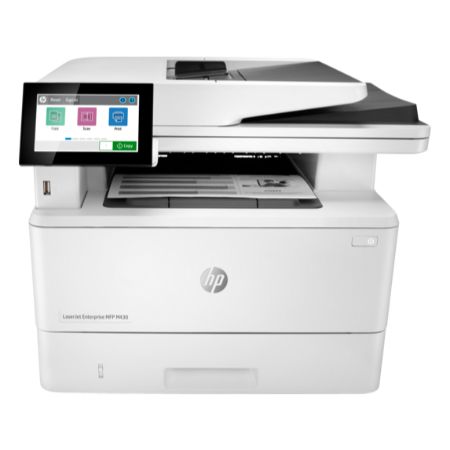
In the ever-evolving landscape of IT hardware, one stalwart stands tall, revolutionizing the way we print documents – the Laser Printer. From small offices to large enterprises, laser printers have become indispensable tools for professionals seeking efficiency, reliability, and top-notch print quality. In this guide, we delve into the intricate world of laser printers, exploring their technology, benefits, and why they remain a cornerstone of modern IT infrastructure.
### Understanding Laser Printing Technology
At the heart of every laser printer lies a sophisticated technology that seamlessly translates digital data into crisp, high-resolution prints. Unlike traditional inkjet printers that spray liquid ink onto the paper, laser printers utilize a process involving static electricity and toner powder to create precise images and text.
Here’s a simplified breakdown of how laser printing works:
1. Processing**: The printer’s internal processor interprets the digital data received from the connected device and formats it for printing.
2. Charging**: A photosensitive drum within the printer is positively charged by a corona wire or roller. Meanwhile, the laser beam selectively discharges specific areas on the drum corresponding to the content to be printed.
3. Exposing**: The laser beam is guided by mirrors to trace the content onto the drum, creating an electrostatic image.
4. Developing**: Toner, a fine powder composed of plastic particles and pigment, is attracted to the discharged areas of the drum, forming the desired image or text.
5. Transferring**: The toner-coated drum then transfers the image onto the paper, which is negatively charged, via electrostatic attraction.
6. Fusing**: Finally, the paper passes through a heated fuser unit, which melts the toner particles, permanently bonding them to the paper and producing a smudge-proof, durable print.
### Advantages of Laser Printers in IT Infrastructure
1. Speed and Efficiency**: Laser printers are renowned for their rapid print speeds, making them ideal for high-volume printing environments. Whether it’s text documents, graphics, or photos, laser printers deliver crisp prints at remarkable speeds, boosting productivity in the workplace.
2. Cost-Effectiveness**: While laser printers may have a higher upfront cost compared to inkjet printers, they offer lower per-page printing costs in the long run. Toner cartridges have a higher page yield than ink cartridges, reducing the frequency of replacements and overall printing expenses.
3. **Superior Print Quality**: With their precise toner deposition and high-resolution capabilities, laser printers consistently produce sharp, professional-quality prints. Text appears crisp and legible, while graphics and images boast vibrant colors and fine details, making laser printers indispensable for tasks that demand precision and clarity.
4. Reliability and Durability**: Laser printers are built to withstand heavy usage and are known for their reliability and longevity. With fewer moving parts than inkjet printers, they require minimal maintenance and are less prone to mechanical failures, ensuring uninterrupted operation in demanding work environments.
5. Network Connectivity and Integration**: Many laser printers come equipped with built-in network connectivity options, allowing seamless integration into existing IT infrastructures. With features such as Wi-Fi connectivity, Ethernet ports, and mobile printing support, laser printers facilitate effortless sharing and printing from multiple devices across the network.
### Choosing the Right Laser Printer for Your Needs
When selecting a laser printer for your IT infrastructure, consider the following factors:
– **Print Volume**: Assess your printing needs in terms of volume and frequency to determine the appropriate duty cycle and paper handling capabilities required.
– **Print Quality**: Evaluate the resolution and color capabilities of the printer to ensure it meets your expectations for print quality, especially if you frequently produce graphics-intensive documents.
– Connectivity Options**: Choose a printer with connectivity features that align with your workflow, whether it’s USB, Ethernet, Wi-Fi, or mobile printing support.
– Total Cost of Ownership (TCO)**: Factor in not only the initial purchase price but also ongoing costs such as toner cartridge replacements and maintenance to determine the true TCO of the printer over its lifespan.
– Brand Reputation and Support**: Opt for reputable brands known for their quality, reliability, and excellent customer support to ensure a positive ownership experience.
In conclusion, laser printers continue to reign supreme in the realm of IT hardware, offering unmatched speed, efficiency, and print quality for businesses of all sizes. By understanding the technology behind laser printing and considering key factors when choosing a printer, organizations can harness the full potential of this indispensable tool to streamline their document workflows and drive productivity in the digital age.You can buy a laser jet printer from computing worlds