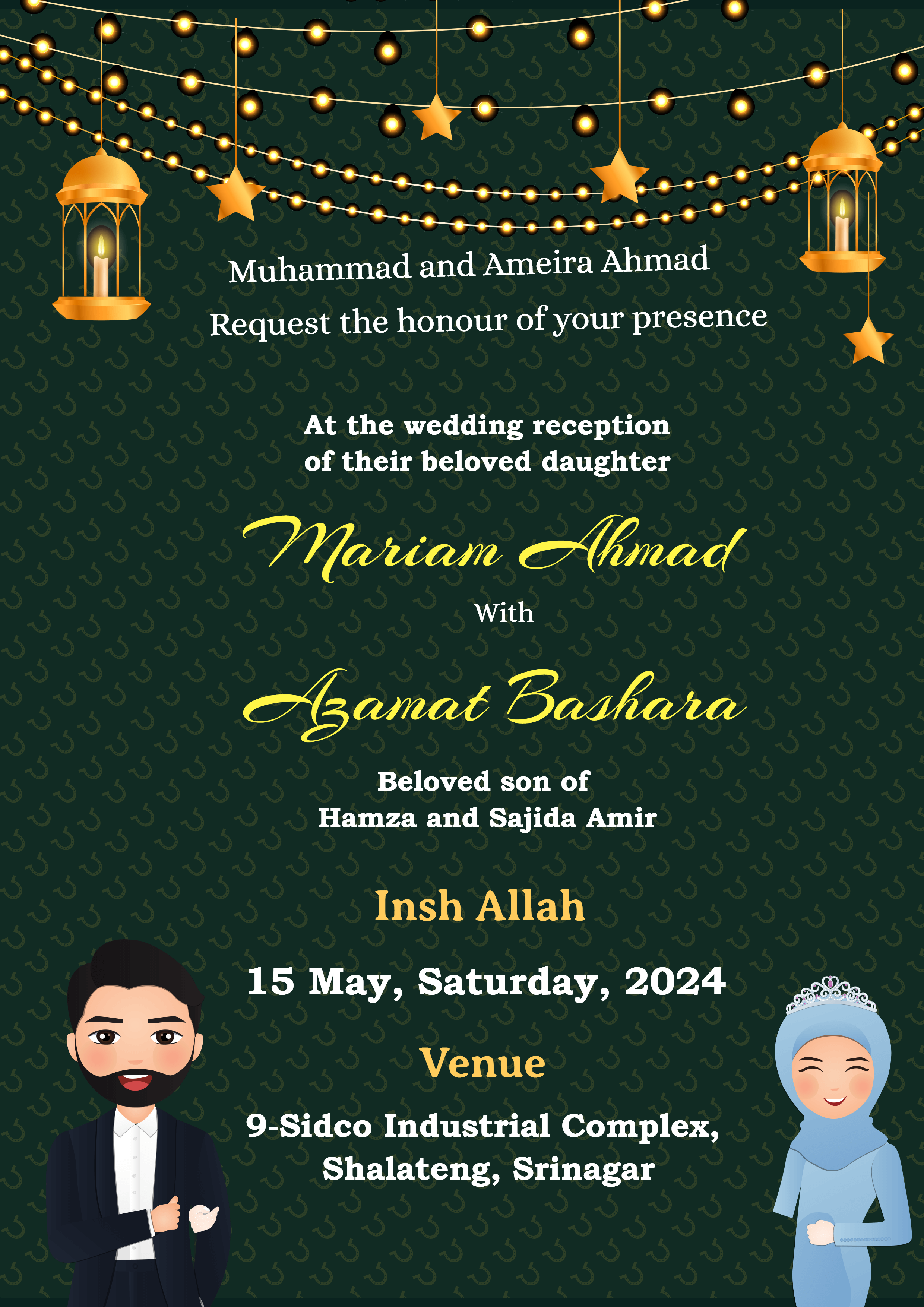
In the digital age, various aspects of life have been transformed, including the way we celebrate and invite guests to significant events like weddings. One notable change is the shift from traditional paper-based wedding invitations to digital alternatives, such as digital Muslim marriage card. This article delves into the evolution, benefits, customization options, design trends, and cultural considerations surrounding these modern invitations.
Introduction to Digital Muslim Marriage Cards
Traditional marriage invitations have long been a symbol of cultural heritage and formality. However, digital Muslim marriage cards offer a contemporary twist to this age-old tradition. These cards are digital representations of traditional invitations, often designed to reflect cultural aesthetics while leveraging digital platforms for distribution.
Evolution of Traditional Marriage Invitations
The transition from physical to digital invitations mirrors broader societal shifts towards digitalization. With the advent of smartphones, social media, and digital communication channels, the concept of sending paper invites has evolved. Digital cards offer convenience, cost-effectiveness, and environmental sustainability compared to their printed counterparts.
Benefits of Digital Marriage Cards
Digital marriage cards come with several advantages. They are easily shareable via email, messaging apps, and social media, reaching a wider audience instantly. They also reduce paper waste, making them environmentally friendly. Additionally, digital cards offer multimedia elements like videos and animations, enhancing the overall invitation experience.
Customization Options for Digital Cards
One of the key features of digital cards is their high level of customization. Couples can personalize every aspect, from colors and fonts to adding personal messages and interactive elements. This customization allows for a unique and tailored invitation that reflects the couple’s style and the event’s theme.
Design Trends in Digital Muslim Marriage Cards
Design trends in digital Muslim marriage cards often blend traditional motifs with modern aesthetics. Calligraphy, floral patterns, and geometric designs inspired by Islamic art are commonly incorporated. Minimalistic designs with elegant typography and pastel color palettes are also trending among modern couples.
Importance of Eco-Friendly Options
As environmental consciousness grows, the use of eco-friendly options in wedding planning has gained prominence. Digital cards significantly reduce paper consumption, contributing to sustainability efforts. Many platforms also offer carbon-neutral hosting and paperless RSVP options, further reducing the event’s ecological footprint.
Security and Privacy Considerations
While digital invitations offer convenience, ensuring security and privacy is paramount. Platforms should provide encryption for sensitive information, secure hosting services, and options for guest privacy settings. Couples should choose reputable platforms with robust security measures to safeguard their guests’ data.
Cost Comparison: Digital vs. Traditional Cards
Cost is a significant factor in wedding planning. Digital marriage cards are often more cost-effective than traditional printed cards. They eliminate expenses such as printing, postage, and envelope costs. Couples can allocate these savings to other aspects of their wedding or choose premium digital designs for a luxurious touch.
How to Create a Stunning Digital Marriage Card
Creating a stunning digital marriage card involves several steps. Start by choosing a reputable digital invitation platform that aligns with your design preferences and budget. Select or customize a template, add personalized details, and incorporate multimedia elements if desired. Preview the card before sending to ensure accuracy and aesthetics.
Tips for Sending and Managing Digital Invitations
When sending digital invitations, consider your guests’ preferences and communication channels. Provide clear instructions for RSVPs and follow-ups. Manage guest lists digitally to track responses efficiently. Send reminders closer to the event date and provide support for guests unfamiliar with digital RSVP processes.
Cultural and Religious Considerations
Digital Muslim marriage cards should respect cultural and religious sensitivities. Ensure designs are culturally appropriate, with no depictions contrary to Islamic beliefs. Include necessary religious symbols and texts as per customs. Consider language preferences and accessibility for diverse guest demographics.
Feedback and Reviews from Users
Feedback from users who have used digital marriage cards can provide valuable insights. Include testimonials and reviews highlighting user experiences, ease of use, and overall satisfaction with the digital invitation process. Positive feedback can encourage others to embrace digital invitations for their events.
Case Studies: Successful Digital Card Implementations
Explore case studies of successful digital card implementations within the Muslim community. Highlight innovative designs, user engagement strategies, and positive outcomes. Case studies can inspire couples and event planners to explore creative possibilities with digital invitations.
Future Trends in Digital Invitations
The future of digital invitations is dynamic and promising. Expect advancements in interactive features, virtual reality experiences, and seamless integration with event planning platforms. Personalization will continue to be a key trend, with AI-driven tools offering tailored recommendations based on user preferences.
Conclusion
Digital Muslim marriage cards represent a harmonious blend of tradition and technology, offering practicality, elegance, and environmental consciousness. As digitalization continues to reshape how we celebrate life’s milestones, embracing digital invitations reflects a modern and eco-friendly approach to wedding planning.